

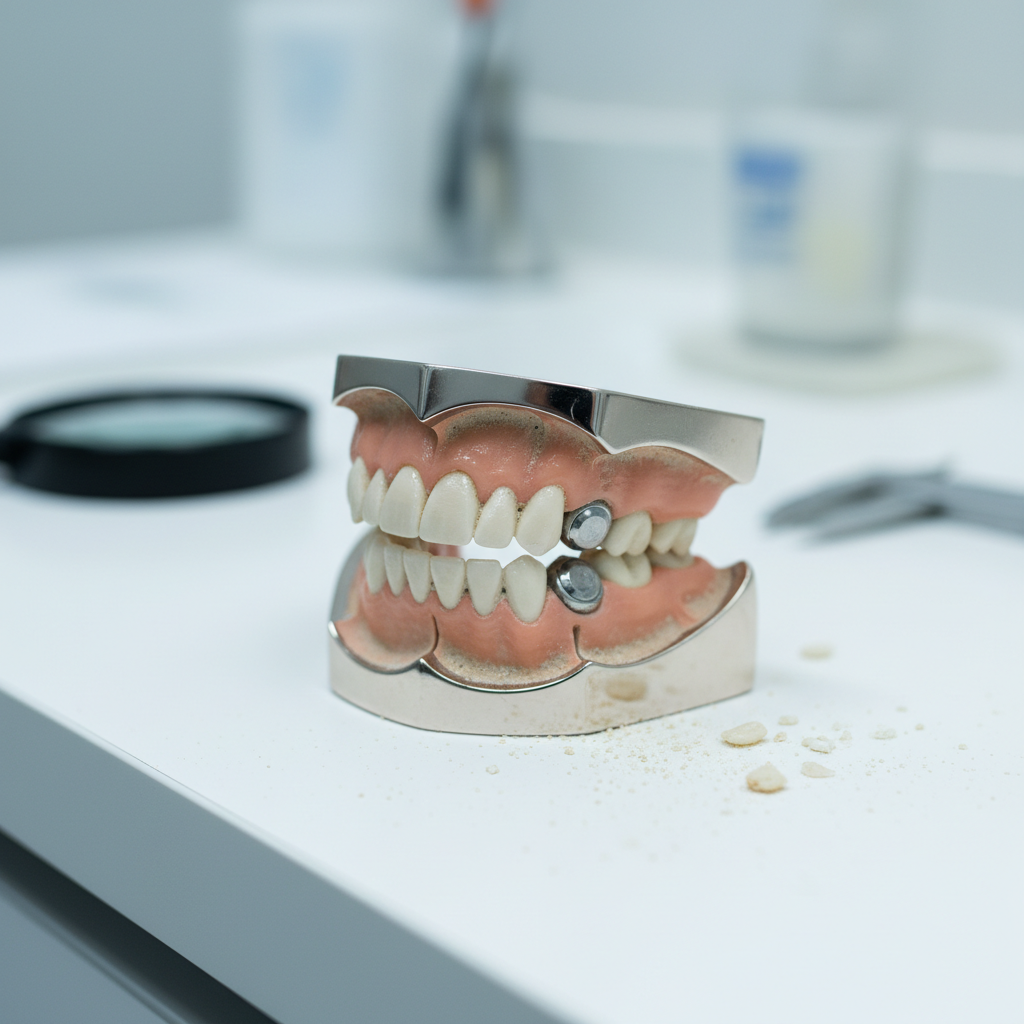
Sarah finally stopped worrying about her smile sliding mid-conversation when she got her implant-supported overdentures. Her confidence soared. But recently, she noticed a subtle, annoying wobble while eating her favorite foods. It happened almost exactly twelve months after her final fitting. You might feel that same shift and wonder why do snap-in dentures feel loose after one year despite your initial success. The transition from total stability to a shaky fit is frustrating. It’s often a sign that your hardware or your body has changed. Understanding these shifts helps you regain the security you paid for.
Is it normal that my dental implants feel less secure today?
Mechanical wear is expected. Your smile works hard every single day. When you chew, talk, and swallow, you apply significant pressure to the connection points between your prosthetic and the titanium posts. These connection points use small parts called locators or O-rings. They act like shock absorbers. They’re designed to take the brunt of the force to protect your jawbone. But they don’t last forever. Most manufacturers build these components to eventually fail so the implant itself stays safe. You might find that why do snap-in dentures feel loose after one year is simply a matter of these plastic inserts losing their grip.
Friction takes a toll. Every time you snap your teeth into place, the plastic ever so slightly thins out. Over hundreds of cycles, the tight seal degrades. Think of it like a trailer hitch or a snap on a high-end jacket. It feels incredibly tight at first. Then, it gets easier to manipulate. Eventually, it lacks the resistance needed to stay closed under tension. If you’ve been wearing your set for a full year, you’ve likely snapped them in and out over a thousand times. That physical repetition is the primary driver of most stability issues in high-quality prosthetics.
And your biting habits matter. Some people naturally have a heavy bite or grind their teeth at night. This extra force accelerates the degradation of the attachment housings. If you notice the looseness is localized to one side, you might be chewing more heavily on that side. It’s a common habit. But it results in uneven wear. Checking these small parts is the first step any dentist will take. They’re usually cheap and easy to replace right in the office chair.
How does jawbone shrinkage affect my snap-in denture fit?
Your bone is alive. It needs constant stimulation to maintain its density and volume. Natural teeth provide that stimulation through the roots. When teeth are gone, the body begins a process called resorption. This means the jawbone slowly dissolves because it thinks it’s no longer needed. Even with implants, the bone in the areas between the posts can still recede over time. This creates a gap. When a gap exists between your gums and the denture base, the appliance will rock or pivot. You may ask why do snap-in dentures feel loose after one year when the implants are still solid. It’s because the foundation beneath the acrylic has shifted.
The fit depends on contact. Ideally, the denture should sit flush against your gum tissue while the snaps provide the vertical retention. If the tissue shrinks, the snaps are doing all the work alone. They aren’t designed to stabilize the entire lateral movement of the prosthetic. They only hold it down. Without the support of the ridge, the denture slides horizontally. This puts immense stress on the implant posts. It can even lead to soreness or localized inflammation. You’ll feel it most when you’re trying to chew something tough like a steak or a crisp apple.
And weight changes play a role. If you’ve lost weight recently, the padding in your mouth might have thinned. Small changes in body mass can actually alter the shape of your ridges. Even a few millimeters of change can ruin a precision fit. This is why annual check-ups are vital for long-term satisfaction. Your dentist can perform a reline to fill in those new gaps. It’s a routine procedure that restores the original suction and comfort you remember from day one.
Which mechanical parts cause a snap-in denture to wobble?
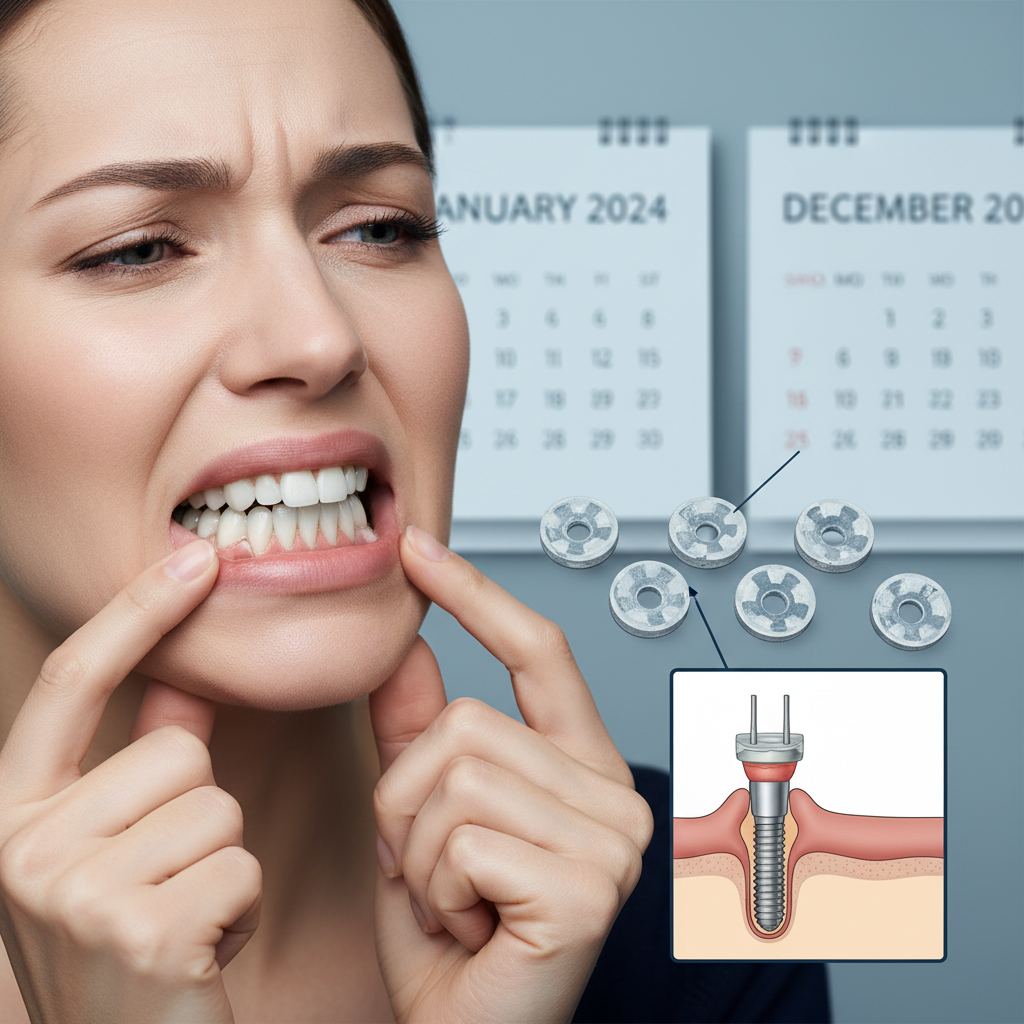
Look at the nylon inserts. These are the tiny colored caps inside the underside of your denture. Each color usually represents a different level of retention strength. Transparent or pink ones are standard. Blue or red ones might be used for extra tight grips. At the one-year mark, these nylon pieces often become compressed or stretched. Once they lose their shape, they can’t grab the metal abutment on the implant. This is a very frequent reason why do snap-in dentures feel loose after one year of heavy use. Replacing them usually takes less than ten minutes and costs very little. Most patients feel an immediate difference in stability.
The metal abutments can also wear. While titanium and gold-plated surfaces are tough, they aren’t invincible. Micro-scratches from grit or food particles can slowly change the diameter of the ball or stud. If the metal post gets smaller, even a brand-new nylon insert won’t fix the problem. You’ll need a new abutment screwed into the implant. This is less common than nylon wear but still possible in active patients. Proper cleaning is the best way to prevent this. Using a soft brush and non-abrasive cleaners keeps the metal surfaces smooth and functional. Rough handling or using metal tools to clean your implants will accelerate this damage.
But don’t overlook the housing. The metal cups that hold the nylon inserts in the acrylic can sometimes come loose. If the glue or resin holding the cup fails, the whole attachment might wiggle inside the denture base. This creates a strange sensation where the snap feels tight, but the teeth still move. You’ll feel a tiny click when you bite down. A dentist can quickly re-bond these housings using professional-grade resin. It’s a quick fix that prevents the housing from falling out entirely and potentially being swallowed or lost.
Can cleaning habits lead to poor denture retention?
Your routine dictates longevity. Many patients use standard toothpaste on their prosthetics. This is a mistake. Standard toothpaste contains silica, which is an abrasive used to scrub natural enamel. On acrylic dentures, these abrasives create millions of microscopic scratches. These scratches hold onto plaque and tartar. More importantly, they can wear down the delicate clip mechanisms. If you’re wondering why do snap-in dentures feel loose after one year, look at your bathroom counter. Harsh chemicals or abrasive brushes might be the culprit behind your declining fit.
Soak them properly every night. Skipping the soak allows the acrylic to dry out and potentially warp. Even a tiny change in the arch shape can make the snaps feel misaligned. Use a dedicated denture cleaner that’s safe for metal parts. Some cleaners are too acidic and can corrode the housings or the abutments. This corrosion leads to a poor connection. It also makes the surfaces rough, which wears out the nylon inserts even faster. Consistency is your best friend when it comes to maintaining a precision-engineered prosthetic. You should also brush the metal posts in your mouth with a very soft brush to remove biofilm.
And watch out for hot water. Never use boiling water to sanitize your teeth. High heat can cause the medical-grade plastic to soften and deform. Once that arch shape changes, the implants will no longer line up with the holes in the denture. It results in a frustrating struggle to get them to snap in at all. If you force them, you’ll damage the internal clips. Always use lukewarm water for soaking and rinsing. It’s a simple habit that preserves the structural integrity of your expensive dental work for years to come.
What role does gum health play in denture stability?
Inflammation changes the landscape. If your gums are swollen due to poor hygiene or a systemic issue, the denture will fit differently. Swollen tissue pushes against the base of the prosthetic. This can make the snaps feel tighter at first, but it often leads to bounce. When the swelling goes down, the denture suddenly feels much looser. This volatility makes it hard to maintain a consistent bite. If you’re asking why do snap-in dentures feel loose after one year, check for redness or bleeding. These are signs of peri-implantitis, a serious condition that can lead to implant failure if ignored.
Healthy gums provide a firm seal. They act as a gasket between the hard acrylic and the jawbone. When that gasket is firm and healthy, it creates a slight natural suction. When the tissue is soft or diseased, that suction vanishes. You rely solely on the mechanical clips. But the clips weren’t meant to do all the heavy lifting. Keeping the tissue around your implants clean ensures that the prosthetic has a stable base to rest upon. This reduces the side-to-side shearing forces that cause parts to wear out prematurely. Regular professional cleanings are non-negotiable for anyone with an implant-supported smile.
But medication can also interfere. Some drugs cause gum overgrowth or tissue thinning as a side effect. Blood pressure medications and certain supplements are frequent offenders. If your medical history has changed in the last twelve months, your mouth has likely changed too. Tell your dentist about any new prescriptions. They can adjust the denture or suggest alternative cleaning methods to compensate for these physical changes. It’s all about keeping the environment in your mouth predictable and stable.
How often should you replace the retention inserts?
Every six to twelve months is the standard. Most dental professionals recommend a snap-refresh during your regular cleanings. Since these parts are made of nylon, they have a known shelf life under the stress of daily chewing. If you’ve reached the one-year mark, you’ve likely exceeded the peak performance window for those clips. This is the simplest answer to why do snap-in dentures feel loose after one year of use. You don’t need a new denture. You just need new tires, so to speak. It’s a maintenance task, not a repair task.
Keep a record of your comfort levels. Notice if you’re using more muscle control to keep your teeth in place while you speak. Or if you’ve started avoiding crunchy foods. These subtle shifts in behavior are clues that your retention is fading. Don’t wait until the teeth fall out while you’re laughing. Proactive replacement is much cheaper and less stressful than an emergency visit. Most patients find that a fresh set of inserts makes the denture feel brand new again. It restores that satisfying click that gives you the confidence to eat whatever you want without fear.
And consider the strength of your inserts. If you find the standard ones wear out too quickly, ask about a higher tension level. Dentists can swap to a more retentive nylon that offers a tighter grip. But be careful. If you make them too tight, you might have trouble removing the denture at night. It’s a delicate balance. Your dentist will help you find the sweet spot based on your hand strength and the health of your implants. Finding that balance is the key to long-term comfort and functional success.
Does the design of the snap-in denture cause looseness?
The number of implants matters. A system with only two implants in the lower jaw is much more prone to rocking than a system with four. If you have a two-implant setup, the denture can still pivot around those two points. This is known as a tissue-borne prosthetic because the back of the denture still rests on your gums. Over time, the gums at the back may shrink faster than the bone around the implants. This creates a teeter-totter effect. This is a frequent structural reason why do snap-in dentures feel loose after one year of use. Adding more implants is sometimes the only permanent solution for a rock-solid fit.
The alignment of the posts is also critical. If the implants weren’t placed perfectly parallel to each other, the clips will wear out unevenly. One clip might be doing 80 percent of the work while the other does 20 percent. This creates a path of least resistance where the denture eventually pops off too easily. Correcting this might involve using angled abutments to bring the snap points into a more harmonious alignment. It’s a more complex fix but it saves you from replacing nylon inserts every two months. A well-designed system distributes the load evenly across all points of contact.
But sometimes the acrylic itself is the problem. Low-quality resin can warp over time, especially if subjected to temperature extremes. If the base of the denture no longer matches the contours of your mouth, the mechanical snaps can only do so much. A laboratory reline is often the fix here. The technician adds a new layer of acrylic to the inside of your existing denture. This makes the base fit your current gum shape perfectly. It’s like getting a new custom-tailored suit after you’ve lost weight. Every part of the prosthetic starts working together again as a single, stable unit.
Can a professional reline fix the loose feeling?
Hard relines restore the foundation. This is a permanent fix where the dentist takes an impression inside your existing denture. They send it to a lab where they replace the old, ill-fitting base with new material. This fills every microscopic gap that has formed over the last twelve months. If the reason why do snap-in dentures feel loose after one year is bone resorption, this is the gold standard solution. It realigns the appliance with your existing ridge. Most patients find that a hard reline extends the life of their prosthetic by several years. It feels much tighter and more connected to the mouth.
Soft relines offer immediate comfort. If your gums are sore or particularly sensitive, a soft reline uses a flexible, rubber-like material. It’s gentler on the tissue but it doesn’t last as long as a hard reline. It’s often used as a temporary measure while your gums heal from an irritation. However, it can also provide a better grip for the denture base. It creates a semi-suction effect that complements the mechanical snaps. It’s a great choice for patients who have very thin or fragile gum tissue. You’ll need to have it checked more often as the soft material can harbor bacteria if not cleaned meticulously.
And chairside relines are the fastest option. These are done right in the office while you wait. The dentist applies a self-curing resin to the denture and has you bite down. It’s not as durable as a laboratory reline, but it’s an excellent quick fix for minor looseness. It can bridge the gap until you’re ready for a more permanent solution. If you’re traveling or have a big event coming up, a chairside reline can save the day. It provides that immediate boost in confidence and stability when you need it most.
Restore your smile’s stability today
Don’t settle for a shaky smile that makes you feel self-conscious. While it’s common to wonder why do snap-in dentures feel loose after one year, the solution is usually simple and affordable. Most cases involve either a quick swap of the nylon inserts or a routine reline to account for natural jawbone changes. These maintenance steps are a normal part of life with high-end dental prosthetics. They aren’t a sign of failure but a sign of regular wear and tear in a high-impact environment. By staying ahead of these changes, you ensure your smile remains the asset it was meant to be.
Schedule a visit with your restorative dentist and mention the specific areas where you feel movement. Bring your cleaning supplies with you so they can check your technique and the chemicals you’re using. Small adjustments now prevent larger, more expensive problems later. You invested in your teeth to enjoy life without limits. A simple ten-minute appointment could be all that stands between you and a perfectly secure, snap-in fit. Take control of your oral health and get back to eating, talking, and laughing with total freedom.
Frequently Asked Questions
- How often do I realistically need to replace the plastic snap inserts?
Most patients find that the nylon inserts need replacement every 6 to 12 months. Factors like your bite strength, the types of food you eat, and how often you remove the denture will affect this timeline. If you notice a wobble or feel the denture pop out while eating, it’s time for new ones. - Why is my denture loose even after getting new snap inserts?
If new inserts don’t fix the problem, the issue is likely with the base of the denture rather than the connection. Your jawbone may have receded, leaving a gap between the prosthetic and your gums. In this case, a professional reline is necessary to reshape the denture base to fit your mouth’s current structure. - Can I tighten the snaps on my dentures at home?
No, you should never attempt to tighten or adjust the mechanical parts of your denture yourself. Using pliers or household tools can permanently damage the metal housings or the implant abutments. This could lead to a very expensive repair. Always let a dental professional handle the delicate adjustments to ensure the longevity of your implants. - Will a loose snap-in denture damage my implants?
Yes, an ill-fitting denture can cause micromovement of the implant posts. This can result in inflammation, bone loss around the bridge, or even complete implant failure. If the denture is rocking, it puts uneven force on the titanium posts, which they weren’t designed to handle. Addressing looseness quickly is vital for protecting your overall investment.