
Dental implants require months of toothless waiting. Most patients believe they must endure a visible gap or hide their smile during the long osseointegration process. It’s a common misconception that leaves people feeling unnecessarily anxious. You don’t have to stay hidden. Modern dentistry provides several high quality best temporary teeth options while waiting for dental implants that look natural and feel comfortable. These solutions bridge the gap between extraction and final restoration. They keep your smile intact while your bone heals around the titanium post. You’re never forced to choose between dental health and your social confidence.
The healing phase is vital. But it’s also long. Choosing the right temporary solution depends on which tooth you’re replacing. Front teeth demand high aesthetics. Molars require structural durability. You want something that stays in place. But it shouldn’t interfere with the implant site. We’ll look at the pros and cons of every current prosthetic choice. It’s about finding the perfect balance for your specific lifestyle.
What is a dental flipper and shift?
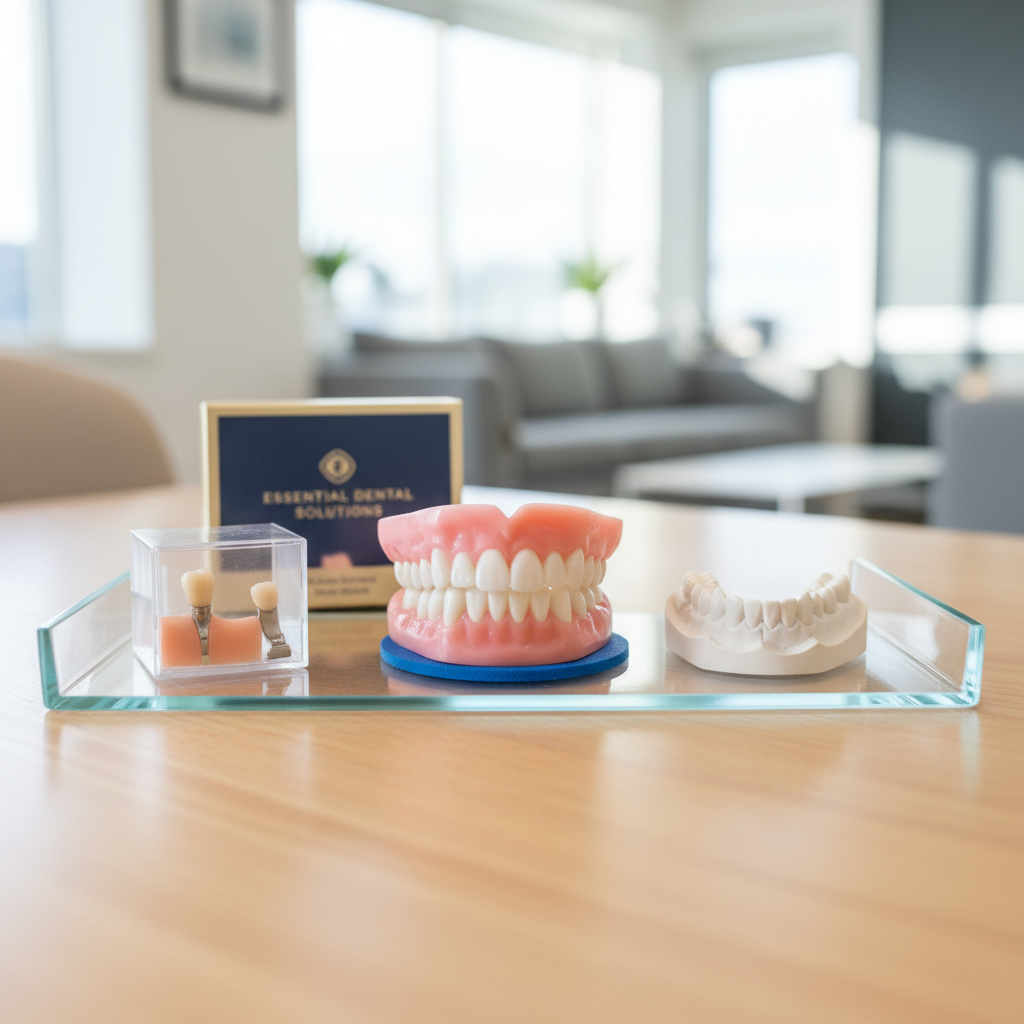
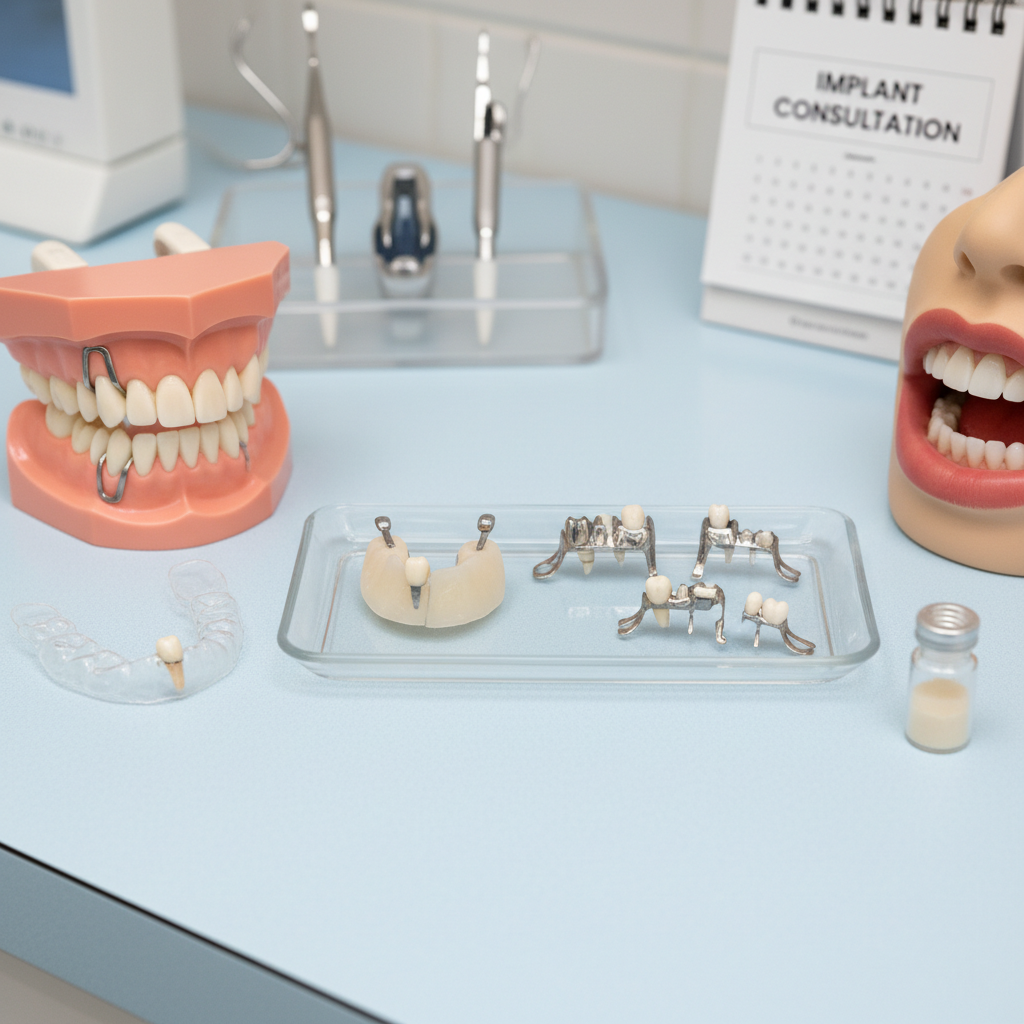
Flippers are common. They’re basically a lightweight acrylic removable partial denture that fits against the roof of your mouth or sits along the lower jaw. This is often the most affordable of the best temporary teeth options while waiting for dental implants available in 2026. It looks like a retainer with one or more prosthetic teeth attached to it. The flipper fills the space instantly. It’s easy to pop in. And it’s even easier to clean. You can take it out whenever you need to brush your natural teeth or sleep. Most dentists recommend this for front teeth because it doesn’t put pressure on the healing implant site underneath the gums.
These devices are purely cosmetic. Don’t expect to eat a steak with one. The acrylic is thin and can break if you bite down on something hard or crunchy. It’s designed to give you back your confidence in photos and conversations. If you drop it on a hard bathroom floor: it might shatter. You must handle it with care. But for someone on a budget: it’s a reliable winner. It keeps your surrounding teeth from shifting into the empty space. This is crucial for the final success of your permanent crown. And it ensures your speech remains clear while you heal.
Why should you consider an Essix retainer?
Imagine an Invisalign tray. An Essix retainer looks exactly like that. It’s a clear plastic shell that snaps over all your existing teeth. Technicians fill the empty space in the tray with tooth colored material. This makes it one of the most discreet best temporary teeth options while waiting for dental implants for professionals. It’s nearly invisible to the naked eye. No one will know you’re missing a tooth. It covers the entire arch. And it feels very secure. Because it covers the chewing surfaces of your other teeth: it acts as a night guard too. This prevents you from grinding your teeth during the stressful healing period.
Convenience is the biggest selling point. You can remove it for meals. Just like a flipper: you shouldn’t eat while wearing it. Food particles can get trapped under the plastic. This leads to plaque buildup or bad breath. You must rinse it frequently. It’s very low profile. Many patients prefer the Essix because it doesn’t have a bulky acrylic plate covering the palate. It feels less like a denture and more like a modern orthodontic tool. If you already have straight teeth: it sits perfectly. If your teeth are crowded: your dentist might need to make small adjustments for a snug fit. It’s a fast and effective way to maintain your appearance.
Is a temporary dental bridge right for you?
Bridges are fixed. Unlike flippers or retainers: you don’t take a temporary bridge out at night. This is a great choice if you hate the idea of removable hardware. Your dentist bonds the temporary tooth to the backs of the adjacent healthy teeth. They use a special adhesive that holds strong but comes off easily when the time is right. It’s a noninvasive version of a traditional bridge. No healthy tooth structure is ground down. It just hangs there. And it stays put. This is often called a Maryland bridge or a resin bonded bridge in clinical terms.
Security is the primary benefit here. You won’t worry about it falling out during a lunch meeting. Since it doesn’t touch the gums where the implant is buried: it allows for excellent air circulation and healing. However: you must be careful with hygiene. Flossing around a temporary bridge takes a bit more effort. You’ll need a floss threader to get under the prosthetic. It’s slightly more expensive than a flipper. But the peace of mind is worth the cost for many. It feels more like a real tooth. It doesn’t move when you talk. It’s a premium temporary solution for people with busy social lives.
When can you use a temporary implant crown?
Immediate loading is the goal. This is where your dentist places a temporary crown directly onto the implant post the same day as the surgery. It’s essentially an instant tooth. For many: this is considered the gold standard among the best temporary teeth options while waiting for dental implants because there’s no waiting. You walk into the office with a gap and walk out with a tooth. It’s not the permanent one. But it’s attached. It looks incredibly lifelike. And it begins shaping the gum tissue immediately. This creates a more natural looking gum line for the final porcelain crown later on.
But there’s a major catch. Your bone must be incredibly dense and strong for this to work. The implant must achieve high primary stability. If the implant moves even a fraction of a millimeter during the first few weeks: it will fail. Your dentist will usually check this with a torque wrench or a specialized resonance frequency analysis tool. You also cannot chew on this tooth. It’s often shaped slightly shorter than your other teeth so it doesn’t touch the opposing arch when you bite. It’s purely for show. If you’re a heavy grinder: this might not be safe. The risk of implant failure is real. But if you’re a good candidate: it’s the most seamless way to transition through surgery.
Are snap on smiles a viable alternative?
Snap on smiles are interesting. They’re more like a full arch cosmetic cover than a single tooth replacement. They fit over your entire set of teeth. This is a popular choice for people who want to hide multiple missing teeth while waiting for various implants. They’re made of a specialized crystallizing resin. They’re thin. And they’re surprisingly durable. You can actually eat certain soft foods with them. It’s a total smile makeover in a box. It’s non-invasive. And it’s completely reversible.
Cost can be a factor here. They’re usually more expensive than a simple flipper. The process involves taking impressions and sending them to a lab for fabrication. It takes a few weeks to get the final product back. The aesthetics are quite good. But they can sometimes look a bit bulky because they’re sitting on top of your natural teeth. If you have very small teeth: it works beautifully. If you have large: prominent teeth: it might feel a bit thick in your mouth. Many use this as a long term temporary. It’s great for people undergoing a full mouth reconstruction. It gives you a preview of what your final smile might look like.
How do you choose between fixed and removable options?
Think about your daily habits. Do you mind taking something out of your mouth every single night? If that sounds annoying: a fixed bridge is better. Do you lose things easily? A removable retainer might be a bad idea for you. Your budget also plays a huge role. Simple acrylic flipper teeth are cheapest. Immediate crowns are the most expensive. You should also consider the location of the gap. If it’s a molar in the back: you might just choose a healing cap. A healing cap is a small metal screw that stays at the gum line. It’s not a tooth. But it protects the implant. Most people don’t see back molars anyway.
Talk to your surgeon. They know the quality of your bone better than anyone. They might tell you that a certain option puts too much pressure on the surgical site. Pressure is the enemy of a new implant. If a temporary tooth pushes against the gums: it can cut off blood flow. This slows down the healing. It might even cause the body to reject the titanium. Always prioritize the health of the base. A temporary is just a bridge to a permanent future. Don’t let your desire for a quick fix ruin the long term investment. Listen to the professional’s advice. They want your implant to last thirty years.
What are the maintenance requirements for temporary teeth?
Clean them like your life depends on it. Bacteria is everywhere. If you use a removable device: soak it in a denture cleaner every night. Never use hot water. Hot water can warp the plastic or acrylic. This makes the fit uncomfortable or even painful. Use a soft bristled brush. Avoid abrasive toothpastes that can scratch the surface. Scratches trap stains and smell bad over time. If you have a fixed temporary: use a water flosser. It gets into the nooks and crannies that a manual brush misses. It’s gentle on the healing gums too.
Watch what you eat. Even the best temporary teeth options while waiting for dental implants are fragile. Avoid gum. It’s too sticky. Avoid ice. It’s too hard. Stay away from crusty bread or hard candies. If your temporary breaks: call your dentist immediately. Don’t try to superglue it back together. Superglue is toxic and will ruin the material. Most offices can fix a broken flipper in a few hours. Keeping your mouth clean prevents infections. Infections near an implant site are a nightmare. They lead to bone loss. Keep the area pristine to ensure your final crown fits perfectly on a healthy foundation.
Can you use over the counter temporary tooth kits?
The internet offers DIY kits. You’ve probably seen the ads for thermal beads or plastic shells. They’re incredibly cheap. You melt the beads in hot water and mold them into the gap. It sounds tempting. Especially if you’re trying to save money. But these are usually a bad idea. They aren’t custom fit by a pro. They can trap bacteria against your healing gums. They often don’t stay in place. And they look quite artificial. In most cases: they’re a waste of twenty bucks. They might even irritate the surgical site.
Professional grade materials are different. They’re medical grade. They’re biocompatible. A dentist ensures the temporary doesn’t interfere with your bite. If your bite is off: you might get headaches. You might even crack your other teeth. It’s worth the extra couple hundred dollars to get a lab made temporary. You get better color matching. You get better fit. And you get the security of knowing it won’t fall out in the middle of a sentence. Save the DIY projects for your garden. Professional dental work requires a professional touch. Your smile is your best asset.
How long will you actually need a temporary tooth?
Expect a stay of three to six months. Bone takes time to grow. This process is called osseointegration. It’s literally the bone cells attaching themselves to the metal post. If you had a bone graft: the timeline gets longer. Some patients wait up to nine months. It feels like an eternity. But it’s necessary. Your temporary needs to be durable enough for that duration. A cheap flipper might need to be replaced halfway through. A high quality Essix retainer usually lasts the whole time. You’ll visit your dentist a few times to check progress.
They might take x-rays. This is to see if the bone is dense enough for the final load. Once they give the green light: the temporary comes out. Then the final porcelain crown goes in. This is the moment you’ve been waiting for. The final crown is much stronger than any temporary. It’s matched to the exact shade and translucency of your natural teeth. You’ll be able to eat whatever you want again. The waiting period is just a test of patience. With a good temporary: that test is much easier to pass. You’ll barely notice the time passing.
Choosing your best path to a full smile
Don’t settle for a gap. You have plenty of best temporary teeth options while waiting for dental implants to choose from in this modern era. Whether you want a removable flipper: a clear Essix retainer: or a fixed temporary bridge: your dentist has a solution. Each option has a specific purpose. Each fits a different budget. Each addresses a different aesthetic need. Your goal is to keep the site healthy and your confidence high. You deserve to look your best during the entire journey. Do not let the healing phase stop you from living your life.
Schedule a consultation today. Ask about the specifics of each temporary prosthetic. Look at photos of previous patients. Check the costs against your insurance or savings. Make a choice that feels right for your daily routine. Once the implant heals: you won’t even remember the temporary. It’s just a placeholder for a permanent upgrade. Your new smile is closer than you think. Take the first step and fill that gap with a high quality professional temporary. You’ll be glad you did when you see the final result. Your future self will thank you for the care you took today.
Frequently Asked Questions
Will a temporary tooth fall out while I am talking?
Most professional temporaries are very secure. A dental flipper uses the natural suction of your palate or small metal clips to stay in place. An Essix retainer snaps firmly over your teeth. If a temporary feels loose: your dentist can easily reline or adjust it for a better fit. You should feel confident speaking in public with any of these options.
Can I eat normally with a temporary tooth?
No. You should avoid chewing directly with a temporary prosthetic. They’re made of acrylic or thin plastic which isn’t designed for heavy biting forces. Stick to softer foods and chew on the opposite side of your mouth. This protects both the temporary tooth and the healing implant site underneath the gums.
How much do these temporary options usually cost?
Prices vary by region and office. Generally: a flipper tooth costs between three hundred and five hundred dollars. An Essix retainer is usually in the same range. A fixed temporary bridge or an immediate implant crown can cost significantly more because of the labor and laboratory fees involved. Always ask for a detailed quote during your initial implant consultation.
Do temporary teeth look fake compared to natural teeth?
Modern dental labs are very skilled at matching color and shape. While a temporary might not have the same depth and translucency as a final ceramic crown: it will look very natural to a casual observer. Most people won’t even notice you have a temporary unless they’re looking very closely in bright light. Your dentist will pick a shade that blends with your existing teeth.