
Picture yourself six months from now sitting at your favorite restaurant and ordering a steak without a second thought. You chew with total confidence while the fear of slipping dentures or painful gums feels like a distant memory. This physical freedom is possible for everyone. Many older adults believe they missed their window for permanent teeth because their jawbone has thinned over the years. But modern technology has created several effective dental implants for seniors with bone loss options that work even when traditional methods fail. It is time to reclaim your smile and your health.
Can seniors with significant bone loss still get dental implants?
The short answer is a resounding yes. Bone loss often occurs after years of missing teeth because the jaw stays healthy through the stimulation of chewing. When teeth are gone, the bone starts to dissolve. Research from 2026 shows that age itself is rarely the deciding factor for implant success. Your overall health and the quality of your remaining bone matter much more than the number on your birth certificate. Specialists now use advanced 3D imaging to find every usable millimeter of bone in your jaw.
You may have been told years ago that you werent a candidate. Things have changed. New surgical techniques allow dentists to tilt implants or use different areas of the facial structure for support. This means even those with severe atrophy can find a permanent solution. It’s about finding the right dental implants for seniors with bone loss options that fit your specific anatomy. You don’t have to settle for loose prosthetics that make life difficult.
The success rate for these procedures remains incredibly high. Most clinical studies report success rates between 95 and 98 percent for healthy seniors. Even with bone grafting, the success rate usually stays above 90 percent. You need a thorough evaluation to see where you stand. But don’t let the fear of thin bone stop you from asking for a consultation. Options exist today that were non-existent just a decade ago.
What are zygomatic implants and how do they help seniors?
Zygomatic implants are a massive breakthrough for people with thin upper jaws. Instead of anchoring into the jawbone, these longer implants attach to the cheekbone. The cheekbone is much denser and more stable than the jaw. It provides a rock-solid foundation that never dissolves over time. This procedure eliminates the need for months of bone grafting. It’s a faster route to a full smile.
This approach is often used in All-on-4 or All-on-6 configurations. You can often walk out of the office with a temporary set of teeth on the same day as your surgery. This immediate gratification is one of the most popular dental implants for seniors with bone loss options available today. It cuts down on the total number of surgeries. You spend less time healing and more time living your life.
Choosing this path requires a highly skilled oral surgeon. Not every general dentist performs zygomatic placements because they require specialized training. Bone density in the zygoma stays consistent even as we age. But you must ensure your sinus health is good before proceeding. The results are life-changing for those who thought they were stuck with dentures forever.
How does bone grafting work for older patients?
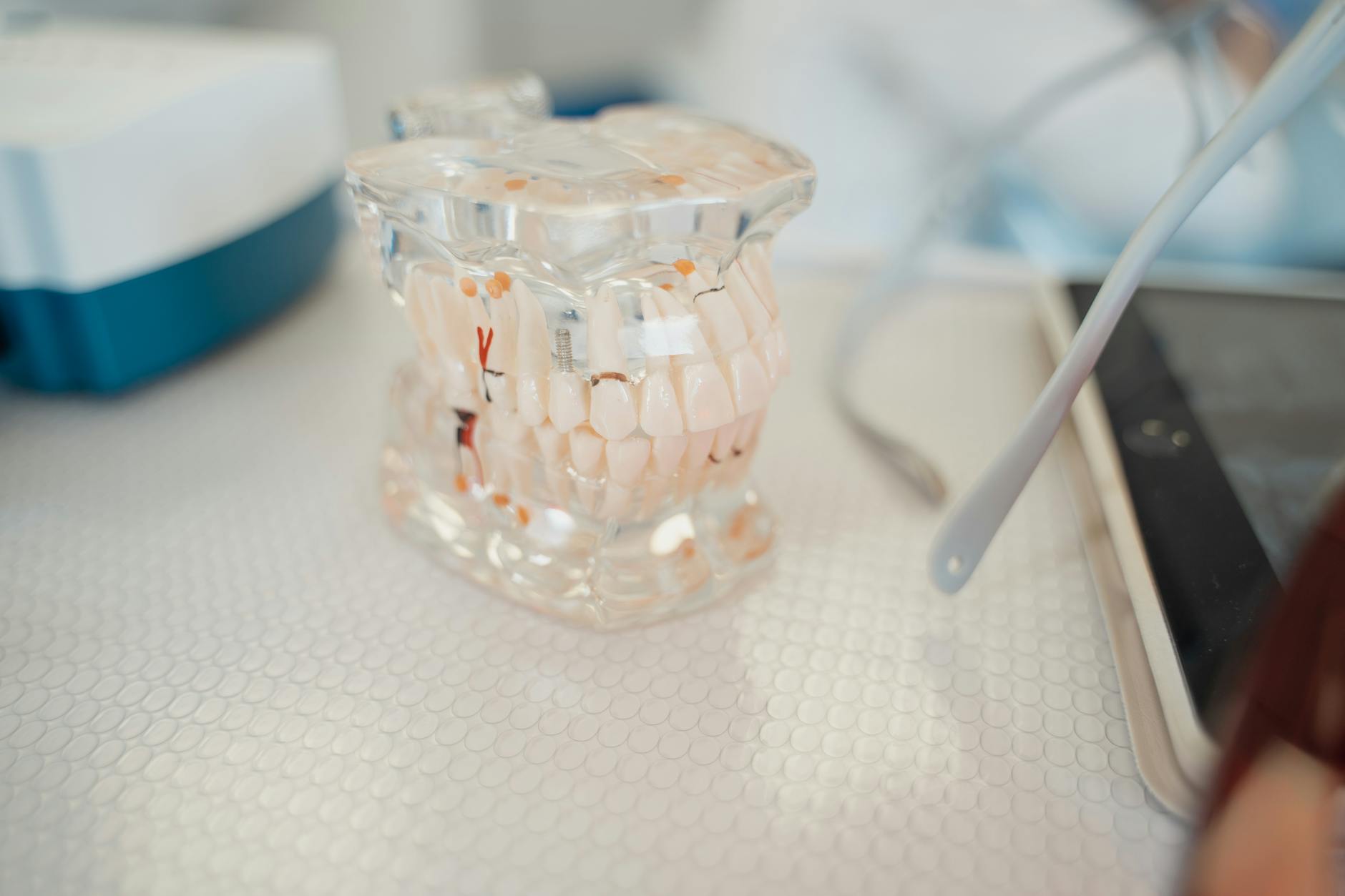
Bone grafting is the gold standard for rebuilding a foundation. The process involves taking bone material and placing it where your jaw has thinned out. Over several months, your body absorbs this material and replaces it with new, living bone. This creates a sturdy base for a standard implant. It’s a tried and true method with decades of proven results.
Many seniors worry that their bodies won’t heal well enough for a graft. Modern synthetic and bovine materials are highly biocompatible. They act as a scaffold for your own cells to grow into. While it adds time to the overall process, it ensures the longest possible lifespan for your new teeth. It’s a marathon, not a sprint. But the finish line is worth the wait.
If you only have minor thinning, a simple socket graft at the time of extraction might be enough. For more significant loss, a sinus lift or ridge augmentation may be necessary. These procedures sound intimidating, but they are routine in 2026. Most patients report that the discomfort is manageable with standard over-the-counter pain relief. You are investing in decades of better nutrition and higher self-esteem.
Are mini dental implants a viable choice for thinning jaws?
Mini implants are exactly what they sound like. They are thinner than traditional versions and require less bone to stay in place. They are often used to stabilize a lower denture that won’t stop moving. This is a less invasive surgery with a much faster recovery time. It’s perfect for seniors who want to avoid major surgery.
These tiny posts can be placed in a single visit. Because the hardware is smaller, the cost is often lower than traditional full-sized implants. However, they aren’t always a permanent fix for a full bridge of teeth. They work best as anchors for removable appliances. Think of them as the middle ground between dentures and full implants.
But you should know that they have a slightly higher failure rate in very soft bone. A dentist must carefully measure your bone density before recommending this route. They offer a great balance of affordability and function. If you want to eat an apple without your lower teeth popping out, this might be your best bet. It is one of the most accessible dental implants for seniors with bone loss options for those on a fixed income.
Can you get implants if you have osteoporosis?
Osteoporosis affects millions of seniors, but it isn’t an automatic disqualifier. The concern is usually not the disease itself, but the medications used to treat it. Certain drugs like bisphosphonates can affect how the jaw heals after surgery. You must give your dentist a full list of your medications and supplements. Open communication is key to a safe outcome.
Many patients with osteoporosis successfully receive dental implants for seniors with bone loss options every single year. Surgeons may adjust the healing time or use specialized implant surfaces to encourage faster integration. Your physician and your dentist can work together as a team. They will ensure your bone health is managed during the entire process. It’s about careful planning and expert execution.
In fact, getting implants can actually help maintain the bone you have left. The mechanical stress of chewing sends signals to your jaw to keep producing bone cells. Without that stimulation, the bone disappears even faster. Implants act like artificial tooth roots. They protect your facial structure from that sunken-in look often seen with long-term denture wearers.
What is the All-on-4 treatment for severe bone loss?
The All-on-4 technique changed the world of restorative dentistry. It uses four strategically placed implants to support an entire arch of teeth. The back implants are tilted at a 45-degree angle. This tilt allows the surgeon to bypass areas of low bone density. It maximizes the use of the thickest bone available in the front of the mouth.
This method usually avoids the need for bone grafts entirely. It is a highly efficient way to get a brand-new smile in a short amount of time. You get the stability of permanent teeth without the complexity of multiple surgeries. It is often referred to as teeth in a day. You can eat soft foods almost immediately after the procedure.
Maintenance is much easier than dealing with messy denture adhesives. You brush All-on-4 teeth just like your natural ones. Regular checkups are still necessary to clean under the bridge and check the health of the implants. But the psychological relief of having fixed teeth is immeasurable. Most seniors describe it as having their natural youth back.
Which diagnostic tools ensure the success of senior implants?
Success starts with a 3D Cone Beam CT scan. This isn’t your standard flat X-ray from the past. It creates a three-dimensional model of your entire skull, including nerves and sinuses. The dentist can virtually place the implants on the computer before you ever sit in the surgical chair. This precision removes the guesswork and increases safety.
Digital impressions have also replaced the goopy trays of the past. These scans are faster and much more comfortable for patients with a strong gag reflex. They allow for the creation of surgical guides. A surgical guide is a custom-made template that fits over your gums during the procedure. It tells the dentist exactly where to drill with sub-millimeter accuracy.
The use of these tools is why dental implants for seniors with bone loss options are so successful in 2026. Technology has minimized the risk of hitting a nerve or puncturing a sinus. It also allows for smaller incisions and less swelling. You spend less time in the chair and more time enjoying your new smile. Demand these high-tech tools during your initial consultation.
How much do these specialized implant options cost?
Specialized implants do require a higher upfront investment than dentures. The cost varies based on whether you need grafting or zygomatic posts. Traditional implants usually cost between 3,000 and 5,000 dollars per tooth. A full arch like All-on-4 can range from 15,000 to 30,000 dollars per jaw. While this seems high, you must consider the long-term value.
Dentures require constant relining and eventual replacement every few years. They also limit your diet, which can lead to expensive health problems like malnutrition or digestive issues. Implants are designed to last a lifetime. When you calculate the cost over 20 or 30 years, they are often the more economical choice. They are an investment in your systemic health.
Most dental offices offer third-party financing with flexible monthly payments. Some Medicare Advantage plans in 2026 have started offering limited coverage for medically necessary implants. You should also check if your health savings account can be used. Don’t let the sticker price scare you away before exploring these payment plans. Your quality of life is worth the price of a used car.
What is the recovery process like for older adults?
Recovery for seniors is often smoother than most people expect. Modern minimally invasive techniques mean less trauma to the gum tissue. You will likely experience some swelling and bruising for the first three to five days. Pain is usually well-managed with ibuprofen or acetaminophen. Your dentist will provide a detailed home-care plan to follow.
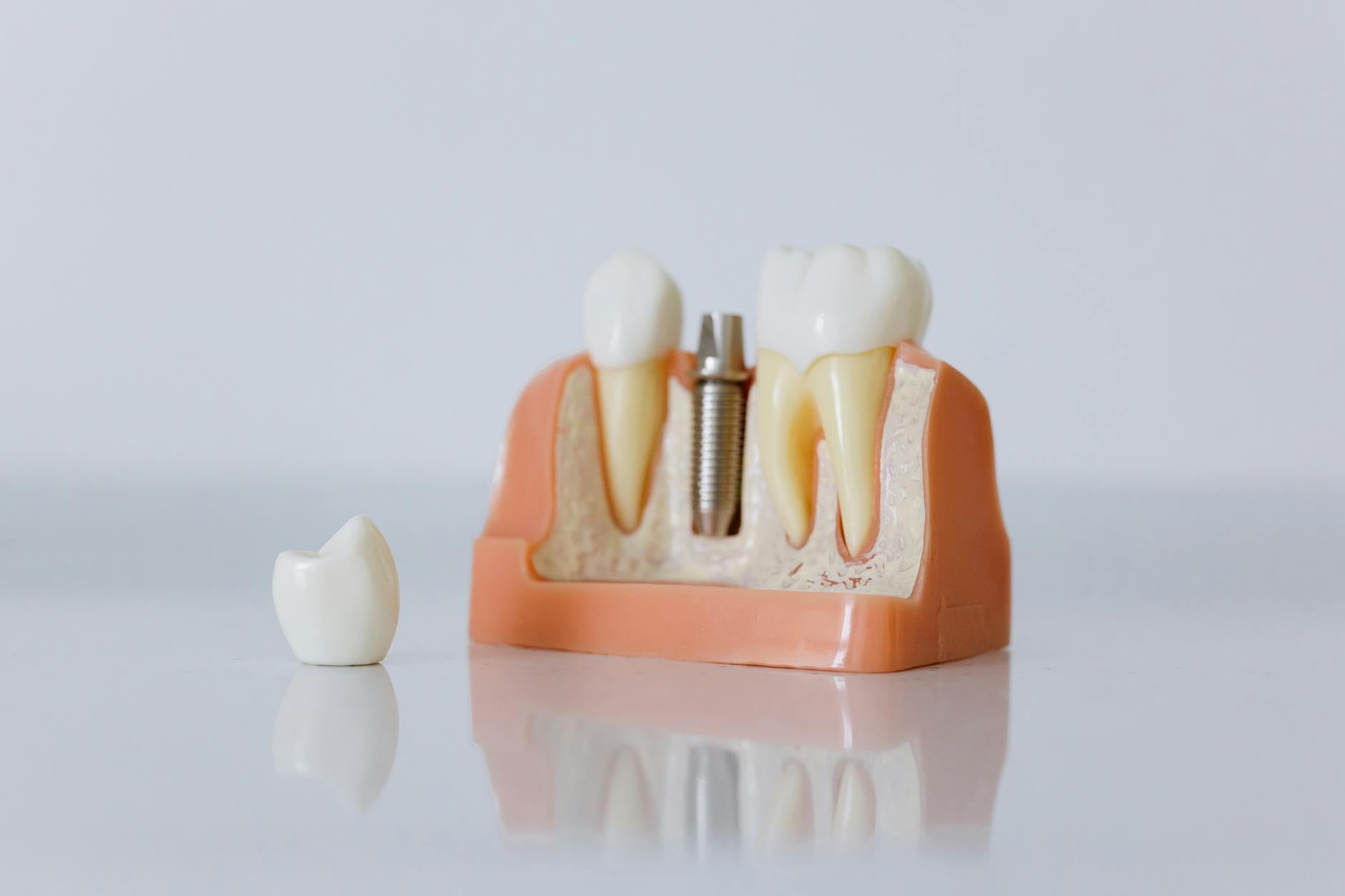
Soft foods are mandatory for the first few weeks. Think protein shakes, mashed potatoes, and scrambled eggs. This gives the implants time to begin the process of osseointegration. This is when your bone actually fuses to the titanium post. If you put too much pressure on them too soon, the process could fail. Patience is your best friend during this phase.
Avoid smoking during the healing process at all costs. Smoking restricts blood flow and is the leading cause of implant failure in older adults. If you can stay hydrated and keep the surgical site clean, your body will do the rest. Most seniors are back to their normal routines within a week. You will feel a sense of pride as you watch your gums heal and your new smile take shape.
How to choose the right specialist for your procedure?
Credentialing matters more than anything else. Look for a prosthodontist or an oral surgeon who specializes in dental implants for seniors with bone loss options. Ask how many zygomatic or All-on-4 cases they have completed in the last year. You want someone who treats complex cases every single week. A general dentist may be fine for a single crown, but bone loss requires a master.
Check their technology. If they don’t have a 3D scanner in the office, you should probably look elsewhere. Modern implant dentistry is a digital field. Make sure they take the time to explain the pros and cons of every choice. You should never feel rushed or pressured into a specific treatment plan. A good specialist will give you options that fit your health goals and your budget.
Read current reviews from other seniors. Look for mentions of bedside manner and how the office handles follow-up care. Complications are rare but you want a team that responds quickly if you have concerns. Your comfort and safety are the top priorities. Take your time during the research phase to find a doctor you truly trust.
Your next steps toward a permanent smile
Stop waiting for the perfect time to fix your teeth. The longer you wait, the more bone you lose, which could make the process more complex later. Start by scheduling a 3D scan and a consultation with a qualified implant specialist. Be honest about your medical history and your goals for your smile. You might be surprised at how many dental implants for seniors with bone loss options are available to you right now.
Bring a list of questions to your appointment. Ask about the total timeline and what the temporary teeth will look like. Request a clear breakdown of the costs and the available financing plans. Once you have all the information, you can make an educated decision. You deserve to eat, speak, and laugh without feeling self-conscious about your teeth.
Take that first step today. Whether you choose zygomatic implants, bone grafting, or a stabilized denture, the result will be a better life. You have worked hard your whole life and your health shouldn’t suffer because of missing teeth. Modern dentistry has a solution for you. Reclaim your confidence and enjoy every meal again.
Frequently Asked Questions
- Is 70 or 80 too old for dental implants? No age is too old as long as your health is stable. Many patients in their late 80s and 90s successfully receive implants to improve their nutrition and comfort.
- Does insurance cover implants for bone loss? Most traditional dental insurance has a low annual cap. However, specialized medical plans or Medicare Advantage may offer partial coverage if thin bone is causing secondary health issues.
- How long do the implants last? With proper oral hygiene and regular professional cleanings, dental implants are designed to last the rest of your life. They do not decay like natural teeth.
- What if the implant doesnt fuse to the bone? If an implant fails to integrate, it is usually removed and the area is allowed to heal. In many cases, a new implant can be placed later with a slight adjustment to the technique.