
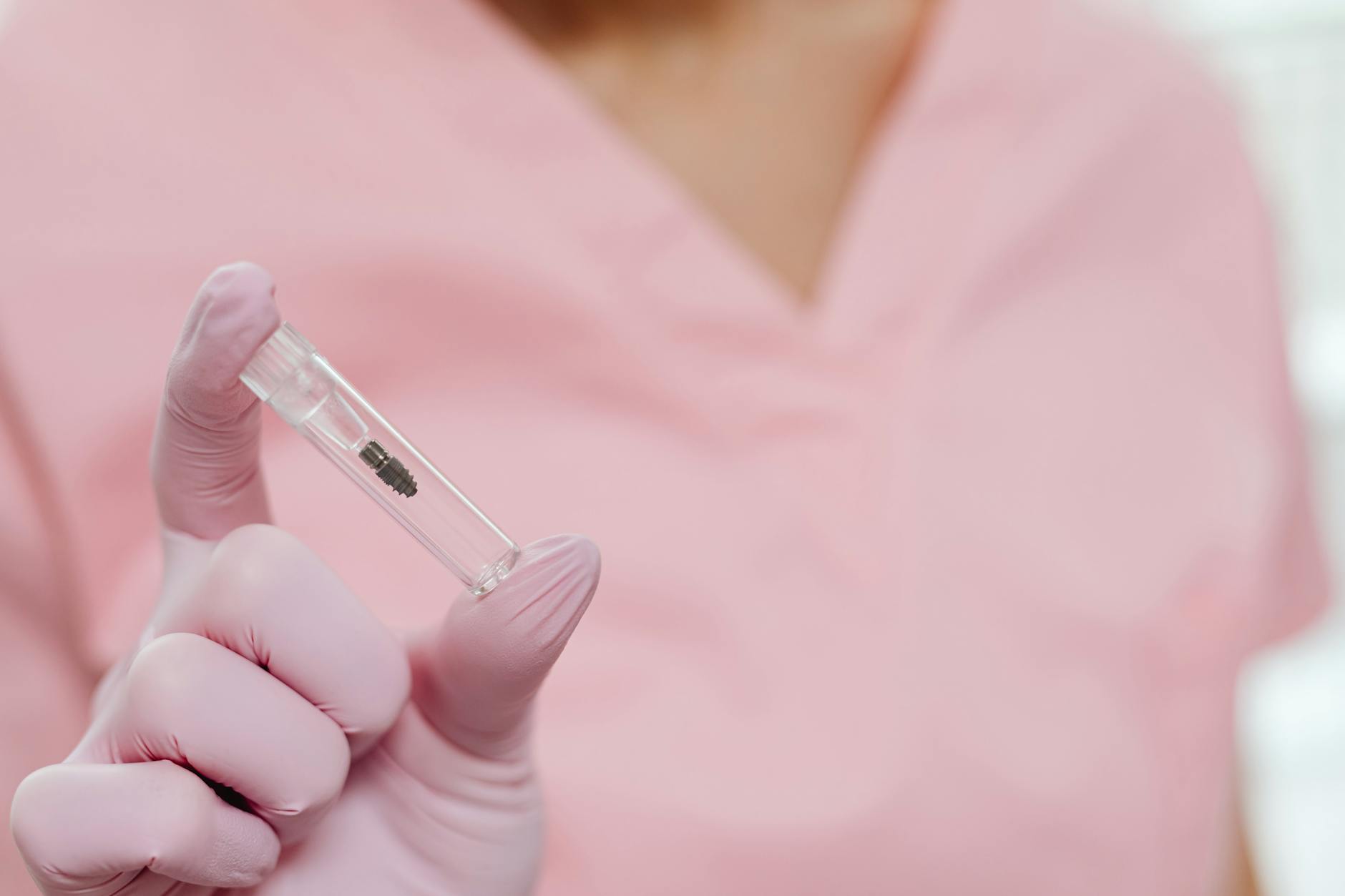
Your local dentist just told you that you are not a candidate for dental implants. It feels like a punch to the gut. This rejection usually happens because your jawbone has withered away until there is nothing left to grip a standard titanium screw. Most clinics suggest years of painful bone grafts and sinus lifts that might not even work. But pterygoid dental implants for severe upper jaw atrophy offer a different path for patients who have been told they have no options. They do not rely on the thin bone of your ridge. They anchor into the dense, reliable pillars of your skull that never disappear. You get your smile back without the endless waiting.
Traditional dental work relies on the alveolar bone. This is the soft, sponge-like bone that used to hold your teeth. When teeth go missing, this bone dissolves. It happens fast. Within a few years, the sinus cavity expands and the bone height drops to almost zero. Standard implants need at least ten millimeters of height to stay stable. Pterygoid dental implants for severe upper jaw atrophy bypass this problem entirely by using the pterygomaxillary pillar. This is a region of cortical bone that remains dense throughout your entire life. It is like finding a solid rock foundation in a field of shifting sand. You can finally stop worrying about whether your jaw is strong enough. It is.
Who is a candidate for pterygoid dental implants for severe upper jaw atrophy?
Not everyone needs this level of surgery. Most people can use standard implants. You are likely looking at this solution because your anatomy has changed significantly over time. Patients with long term tooth loss often suffer from extreme resorption. This means your upper jaw has shrunk so much that a regular implant would poke right into your sinus cavity. If you have been told you need a bilateral sinus lift, you are a prime candidate for this approach. People who have failed previous bone grafts also find success here. It is a predictable way to avoid the trauma of multiple surgeries. You save time and money by going straight to the source of stability.
Medical history also plays a big role. People with controlled systemic issues like diabetes or osteoporosis often struggle with bone grafts. Those grafts require a high level of blood flow and healing capacity to take hold. Since pterygoid dental implants for severe upper jaw atrophy use existing, dense bone, the success rates stay high even in complex cases. You don’t have to wait six months for a graft to fail before trying something else. This procedure is often combined with other zygomatic or anterior implants. It creates a full tripod of support for a fixed bridge. Your age is rarely a barrier if your overall health is stable. It is about your bone quality, not the number on your birth certificate.
You must also value a fixed result. Some patients are tired of wearing removable dentures that slip and slide. They want teeth that stay in place while they eat a steak or laugh with friends. If you have a high aesthetic demand and zero interest in plastic plates, this is your solution. It provides the posterior support needed to keep a bridge from tipping. Think of it as the back leg of a chair. Without it, the whole structure is wobbly. You deserve a smile that feels like it belongs to you. This technology makes that happen for the hardest cases in the world.
How do pterygoid implants differ from traditional dental implants?
The biggest difference is the location. Traditional implants go into the front or middle of the jaw. They are short and vertical. Pterygoid implants are much longer, often reaching 15 to 20 millimeters. They sit at a specific 45 degree angle. They reach back into the sphenoid bone. This is a deep structure in your face that does not get affected by tooth loss. It is incredibly hard. This hardness allows the surgeon to achieve immediate stability. You can often have a temporary bridge attached the same day. That is almost impossible with traditional implants in thin bone.
Anatomy is the second major differentiator. Most implants stay within the maxillary bone. The pterygoid technique crosses through the maxillary tuberosity and ends in the pterygoid plates. Because these plates are made of cortical bone, they do not shrink over time. You are essentially anchoring your teeth into the frame of your skull. Standard implants rely on the health of your gums and local bone. These specialized implants rely on skeletal architecture. It is a more robust engineering choice. And it requires a surgeon with deep knowledge of craniofacial anatomy. You are not just getting a dentist: you are getting a specialist in facial structures.
Healing times are also shorter. Bone grafting adds six to nine months to a treatment plan. You have to wait for the graft to turn into real bone. Then you wait for the implant to fuse. With pterygoid dental implants for severe upper jaw atrophy, there is no graft. You skip that entire phase of the process. This reduces the risk of infection. It reduces the number of times you go under anesthesia. You can go from a broken smile to a full set of teeth in a matter of days. It is a fast track to recovery that was not available ten years ago. It’s a game changer for busy people who cannot afford a year of downtime.
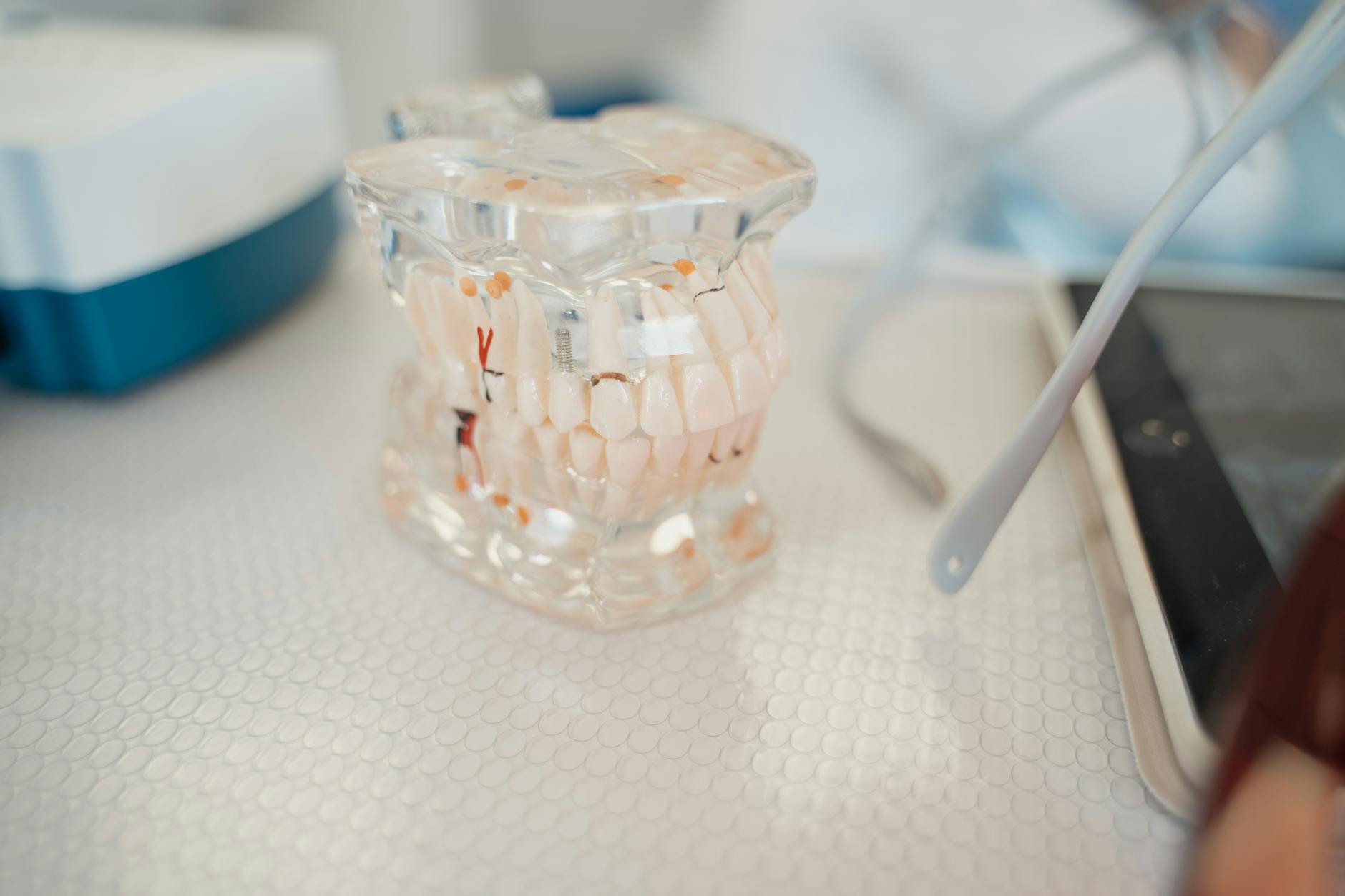
What are the primary benefits of avoiding bone grafts?
Grafts can be unpredictable. Sometimes the body just rejects the material. If a sinus lift fails, you are left with less bone than you had before. It is a risky gamble for anyone with severe bone loss. By choosing pterygoid dental implants for severe upper jaw atrophy, you eliminate that variable. You are working with what you have. It is a more natural approach. You don’t have to harvest bone from your hip or chin. There is less trauma to your body. Your recovery is faster because there are fewer surgical sites. It’s a cleaner path to a new smile.
Cost is another factor. Bone grafting is expensive. You pay for the materials, the surgeon time, and the follow up visits. When you add up the cost of three different surgeries, the price of a single pterygoid procedure looks much better. You get a definitive result for a fixed price. There are no surprise costs from a graft that didn’t take. You can plan your budget with confidence. Most patients find that the total investment is lower than a multi year grafting journey. And the results are often more stable. You get better value for every dollar spent on your health.
Your comfort matters most. Bone grafts are painful. They involve significant swelling and bruising in the mid face. Many people find the sensation of a sinus lift to be deeply uncomfortable for weeks. Pterygoid placement is done deep in the back of the mouth. The nerve supply there is different. While there is still some post operative swelling, it is often less intense than a major graft. You can return to your life faster. You won’t have to deal with the grainy feeling of bone chips in your mouth. This is a streamlined surgical experience. It focuses on the end goal without unnecessary suffering.
What does the surgical process look like for this procedure?
Preparation starts with a 3D CT scan. Digital planning is non negotiable in 2026. Your surgeon uses this scan to map out the exact path of the implant. They must avoid the maxillary artery and the nerves nearby. Everything is planned on a computer before you even sit in the chair. In some cases, a 3D printed surgical guide is used. This guide fits over your gums and directs the drill to the perfect spot. It removes human error. You get a precise result that fits your unique anatomy perfectly. It’s science meeting art in the most literal way.
The surgery itself is usually performed under IV sedation. You won’t feel anything. You won’t remember the sounds of the office. The surgeon makes a small incision at the very back of the upper jaw. They carefully prepare the site through the tuberosity into the pterygoid plates. The implant is then torqued into place. A high torque value means the implant is rock solid. Once it is secure, the surgeon can take an impression. This allows the lab to build your new teeth immediately. You wake up with the foundation of your future smile already in place. It’s a quick and efficient afternoon.
After the implants are in, the restoration phase begins. A bridge is customized to fit your face and your bite. This bridge is screwed into the implants. It does not touch your gums. This allows for easy cleaning and healthy tissue. You leave the office with teeth that stay in your mouth. They don’t come out at night. They don’t need messy adhesives. For the first few months, you will eat a soft diet. This gives the bone time to grow around the titanium. Once that fusion is complete, you can eat anything you want. You are free from the limitations of bone loss.
Are there risks associated with pterygoid implants in the atrophic maxilla?
Every surgery has risks. The pterygoid region is close to some important blood vessels. If a surgeon is not experienced, they could cause significant bleeding. This is why you must choose a specialist who does this every week. Infection is also a small risk. However, it is usually lower than with bone grafts. Because the bone is so dense, the implant might have trouble if the blood supply is poor. But this is rare. Most patients heal without any major complications. You just have to follow the post op instructions to the letter.
Success rates are surprisingly high. Studies from 2022 and 2026 show success rates hovering around 95 to 98 percent. That is equal to or better than standard implants. The main risk is usually a failure to integrate. This happens if the patient smokes or has uncontrolled illness. If an implant fails, it can usually be replaced once the site heals. But the primary goal is to get it right the first time. Using computer guided technology has made this much safer than it was in the past. You are in good hands with modern techniques. Your safety is the top priority.
You might experience some temporary numbness. The nerves in the back of the jaw are complex. Sometimes they get irritated during the procedure. This almost always goes away on its own. It is a small price to pay for a full set of teeth. Some people also feel a sense of pressure in their sinuses. This is normal as the body adjusts to the new hardware. Within a few weeks, you won’t even notice the implants are there. They will feel like a part of your own body. You’ll forget you ever had a problem with bone loss. It’s a permanent solution to a frustrating problem.
How do you maintain your dental implants for the long term?
Cleaning is the secret to longevity. Even though these teeth cannot get cavities, they can get gum disease. Bacteria can still build up around the base of the implant. You need to use a water flosser every single day. This flushes out the debris under the bridge. A soft electric toothbrush is also a great investment. It keeps the surface of the bridge smooth and shiny. If you take care of them, these pterygoid dental implants for severe upper jaw atrophy can last the rest of your life. You have to be a partner in your own health. It’s a small daily commitment for a huge payoff.
Professional checkups are mandatory. You should see your dentist twice a year. They will take a special x-ray to make sure the bone is still tight around the screw. They will also check the screws that hold the bridge in place. Sometimes these can loosen slightly over years of chewing. A quick tightening is all it takes to keep things perfect. They will also professionally clean the hard to reach areas. This prevents peri-implantitis. That is the fancy word for inflammation around an implant. Catching it early prevents any real damage. You want to protect your investment.
Watch your habits. If you grind your teeth at night, you need a nightguard. The forces of grinding can crack a bridge or stress an implant. A simple plastic guard protects everything while you sleep. You should also avoid using your teeth as tools. Don’t open bottles or tear plastic bags with your new bridge. It is strong, but why take the risk? Treat your new teeth with the respect they deserve. They are a high tech medical device. If you treat them well, they will serve you for decades to come. You’ll never have to worry about your smile again.
What is the cost comparison for pterygoid implants versus other options?
The sticker price might look high. A full arch on zygomatic and pterygoid implants can cost between twenty and thirty thousand dollars. But you have to look at the total picture. A standard All-on-4 with two sinus lifts and multiple grafts often costs the same. Sometimes it costs more. And that process takes eighteen months. When you factor in the value of your time, the pterygoid route is actually cheaper. You save on the number of appointments. You save on the frustration of failed procedures. You buy your life back sooner. It’s a smart financial move.
Insurance rarely covers the whole thing. Most dental plans have a cap of fifteen hundred dollars. That barely covers the crown. However, some medical insurance plans will help if the bone loss is severe. It’s worth checking if your condition is categorized as a medical necessity. Many offices offer financing plans. You can break the cost down into monthly payments. This makes it more like a car payment than a giant lump sum. Don’t let the price tag stop you from getting the care you need. Your health is the one thing you can’t replace. It’s an investment in your future happiness.
Consider the cost of doing nothing. If you keep wearing a loose denture, your jawbone will keep shrinking. Eventually, even these advanced implants might be difficult to place. You might struggle with nutrition because you can’t chew healthy food. You might lose confidence and stop going out. The social and physical cost of total tooth loss is massive. Paying for a permanent solution now prevents a lifetime of smaller, annoying expenses. It stops the cycle of temporary fixes. You pay once and you move on with your life. That is the true definition of value.
Where to find a specialist for this complex procedure?
You cannot go to a general dentist for this. Pterygoid dental implants for severe upper jaw atrophy require a surgical specialist. Look for an oral and maxillofacial surgeon or a highly trained periodontist. They should have specific credentials in zygomatic and pterygoid placement. Ask how many of these specific implants they have placed in the last year. You want someone who does this daily, not once a year. Your face is too important for a beginner. Experience is the only thing that matters when the margins are this thin.
Check their technology. A modern office should have an in house CT scanner. They should talk to you about digital workflows and 3D planning. If they are still using old school molds and 2D x-rays, walk away. You want the precision of 2026. This technology minimizes the time you are in the chair. It makes the recovery much smoother. A good surgeon will be happy to show you their success stories. They should have before and after photos of patients with similar bone loss. Seeing someone else’s success will give you the confidence to move forward.
Read the reviews from other complex cases. Don’t just look at the star rating. Read what people say about the recovery and the communication. Did the office handle complications well? Was the surgeon available for questions? Specialized dental work is a long term relationship. You want a team that supports you from the first consult to the final checkup. Once you find the right expert, the rest is easy. You finally have a plan that works. You can stop searching and start healing. Your new life is just a few appointments away.
Frequently Asked Questions about Pterygoid Implants
How long do pterygoid implants last?
In most cases, they are designed to last a lifetime. Because they are anchored in dense, cortical bone that does not resorb, they are exceptionally stable. If you maintain good oral hygiene and visit your dentist for regular checkups, you should never need to replace them. They are a permanent solution for severe upper jaw atrophy.
Is the recovery from pterygoid implants painful?
Most patients report manageable discomfort rather than intense pain. You will have some swelling and bruising for about a week. The site is deep in the back of the jaw, so it doesn’t affect your smile or speech as much during healing. Your surgeon will provide pain medication and specific instructions to keep you comfortable. Most people return to work within three to five days.
Can I get teeth the same day as my pterygoid surgery?
Yes, this is one of the biggest advantages of the procedure. Because the pterygoid bone provides high primary stability, a temporary bridge can often be attached immediately. This means you never have to be without teeth. You will use this temporary set while the implants fully fuse with your bone. After a few months, you will receive your final, high strength bridge.
What happens if I don’t have enough bone even for pterygoid implants?
It is very rare to lack enough bone for this procedure because the pterygoid plates are part of the skull’s core structure. However, if the atrophy is truly extreme, a surgeon may combine pterygoid implants with zygomatic implants. These anchor into your cheekbones. Together, they can support a full set of teeth in almost any situation. There is almost always a solution available with modern technology.
Your next move for a permanent smile
Stop accepting the idea that you aren’t a candidate for a better life. The science of pterygoid dental implants for severe upper jaw atrophy has reached a point where bone loss is no longer a dealbreaker. You have seen how these implants find stable ground where others find nothing. You know that you can skip the bone grafts and the years of waiting. The path is clear: you need an expert who understands this specific anatomy. Your first step is to book a consultation with a maxillofacial specialist who utilizes 3D planning.
Take your scans to the appointment. Ask the hard questions about success rates and recovery times. You deserve a clear, honest assessment of what is possible for your mouth. Once you have a plan, stick to it. The technology of 2026 is on your side. You can eat what you want, speak with confidence, and look in the mirror without hesitation. Don’t let another year go by while your jawbone continues to fade. Regain your function and your freedom today. Your new smile is waiting for you at the end of this journey. It’s time to take that first step.